

 The truth is that criticism is a natural part of life.
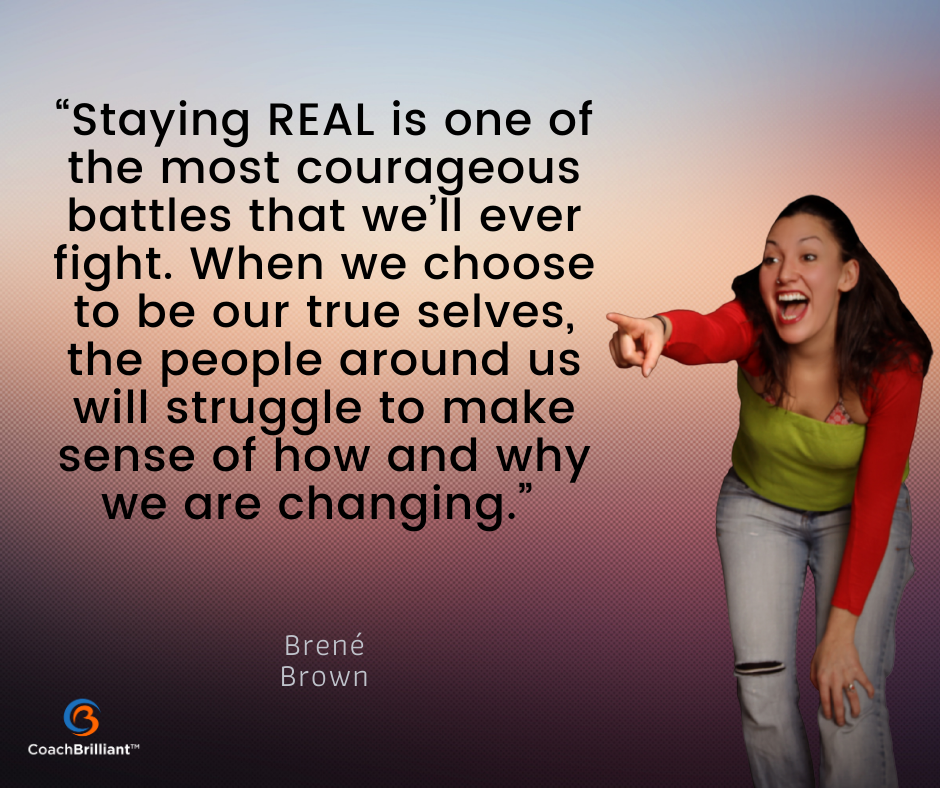
At some point someone is bound to criticise you because you’re stepping out and trying something new. As we grow, the people around us struggle to make sense of how and why we are changing. They unconsciously worry about the impact of this change on them.
Criticism is different from feedback because it feels painful, raw and personal. Sometimes people may mock you as you’re trying to grow. I have experienced this several times in my own life from bosses, partners and peers.
Ridicule hurts because it makes us feel embarrassed and uncomfortable. It makes you question your original decision to step up and be different.
A few years ago I came across Arthur Schopenhauser, a German Philosopher and Author. His work reminds us that ALL change goes through three stages:
- Ridicule
- Violent opposition
- Acceptance as self-evident
I’ve coached people through all three stages when they decide to show up bigger in their life. Understanding this concept has helped me when I’ve been confronted by ridicule or opposition to the changes I have made in my life.
Here’s a real coaching example to demonstrate these stages:
Jenny started working with me to help overcome being a people-pleaser. She was always sacrificing herself for the sake of what other people thought.
She set boundaries and started saying no to things that no longer served her.
Her partner started to notice a difference…
Ridicule
“Look at you! (laughing) You’ve been talking to that coach of yours again haven’t you?!”
He noticed the change and started to make fun of what she was trying to do.
This ridicule was a challenge for Jenny. It made her uncomfortable. This change was harder than she thought. She questioned her motives and was tempted to give in and go back to how she used to be, just to stop her partner from making fun of her.
Our natural instincts are to be socially accepted. It’s tempting for Jenny to go back to how she used to be, even though the new way is far more authentic and real.
Violent opposition
“I hate these damned coaching sessions! I don’t like what is happening to you. You’re different! The ‘old’ Jenny was much nicer than the ‘new one’. You are being selfish these days. This coach is brainwashing you – Have you joined some sort of cult?!”
As Jenny continued with her goals her partner felt fearful and unsure about the change he was seeing. His life was much easier before. He was unconsciously worried about how it would affect him and their relationship. She had held a mirror up to him and this made him feel uncomfortable. He felt threatened by the ‘new’ way.
Verbal aggression is cruel and painful and can stop us in our tracks. We question our judgment and ability to move forward and achieve our goal. Again, it’s easier to go back to the old way so the hurt will go away.
It’s easier to criticize someone when they are taking risks, being brave or speaking out, especially when they are doing it imperfectly because they are trying something new.
Acceptance as self-evident
“I’ve learned so much about our relationship and we’ve grown closer together. We understand each other at a deeper level. I’m so glad that you are working with a coach Jenny.”
Over time the new way of doing things becomes the normal way of doing things. Jenny stayed true to herself remaining consistent in her approach, despite the opposition. She let go of trying to be everything to everyone else, and was able to step up to become an equal partner in her relationship.
Most of us don’t naturally look inside ourselves to find the source of our discomfort – we tend to look externally for someone else to blame. We become cynical or critical in reaction to this difference and it often shows up as sarcasm, ridicule or criticism of someone else’s attempt to try something new.
Criticism is often a reflection of the other person’s own discomfort to stay stuck in their comfort zone. They might be feeling jealous and envious of the other person’s decision to create some changes in their life.
Here are some tips for handling criticism:
1. Take personal responsibility for your thinking.
Stay in your power and stand your ground. Step back and remind yourself that you don’t have to shrink so that others can feel comfortable around you. Choose to be courageous. Don’t let outside noise cause internal interference. Remember, we all have equal value, worth and dignity. No one is better, bigger or superior to anyone else. It’s just ego that makes it so. Focus on your truth and what is important for you. Have faith in your intuition and believe in YOU. Leave the emotional stuff behind as this energy will keep you blocked.
2. It’s NEVER about you
Criticism is always about the person who is delivering it. The source of the criticism is with the person making that criticism – You are not the source. Opinion is just information based from the other person’s map of the world and not from your map. As you step up to do things differently others will criticize you. It’s going to happen. It’s okay. Those who are closest to you may have stronger opinions. Opinions can be driven by the other person’s fear, envy or worry. These feelings from loved ones can feel very personal if we let them in.
3. Re-decide
Remind yourself of WHY you want this change and in the face of criticism, get clear again. Learn how to teach other people how to treat you. Make being authentic your number one goal. Stick with it and allow your courage to overcome any fear. Don’t let fear rule you and your decisions, just because somebody has challenged you. People WILL push up against you – especially when you’re doing something different. Make decisions from where YOU want to be. Learn to rescue yourself and step back in alignment with your vision every day.
4. Accept that everyone won’t like you
Some people will like you, some won’t. We can’t please everyone all of the time. As you change and grow, you may leave others behind. Criticism is a coping strategy for the other person who isn’t growing or changing.
5. Set a time limit
Allow yourself space to work through the pain and discomfort. Talk it through with someone you trust. Set a time limit to be with it then, reframe the situation, focus on what you’ve learned, remember that it’s NOT about you, and let it go.
How have you experienced these three phases in your life?
Well said, Elaine! Your context really helps people put this into practical use. That’s why you’re CoachBrilliant. 🙂
Thanks so much Kimberly! 🙂