

Coaches are human beings too! 
…And we ALL get triggered by our clients sometimes! Coaches are not immune from emotional vulnerability.
The challenge is… are we aware of it when it’s happening in the present moment?
Coaching is a huge undertaking…
As a coach, you have an intimate opportunity to be with someone on a journey of their inner and outer worlds, as they commit and engage in life-changing work to realize their goals and dreams for a more fulfilling life.
What qualifies us to be on this journey with them?
There are many things…
Our innate passion for helping people, our life experiences, the development of our coaching skills, our passion for learning, and our ability to be guided by our intuition, are some of them.
For anyone who is in the field of helping others, ONE IMPORTANT element qualifying us, that many coaches are missing, is a deep understanding of themselves:
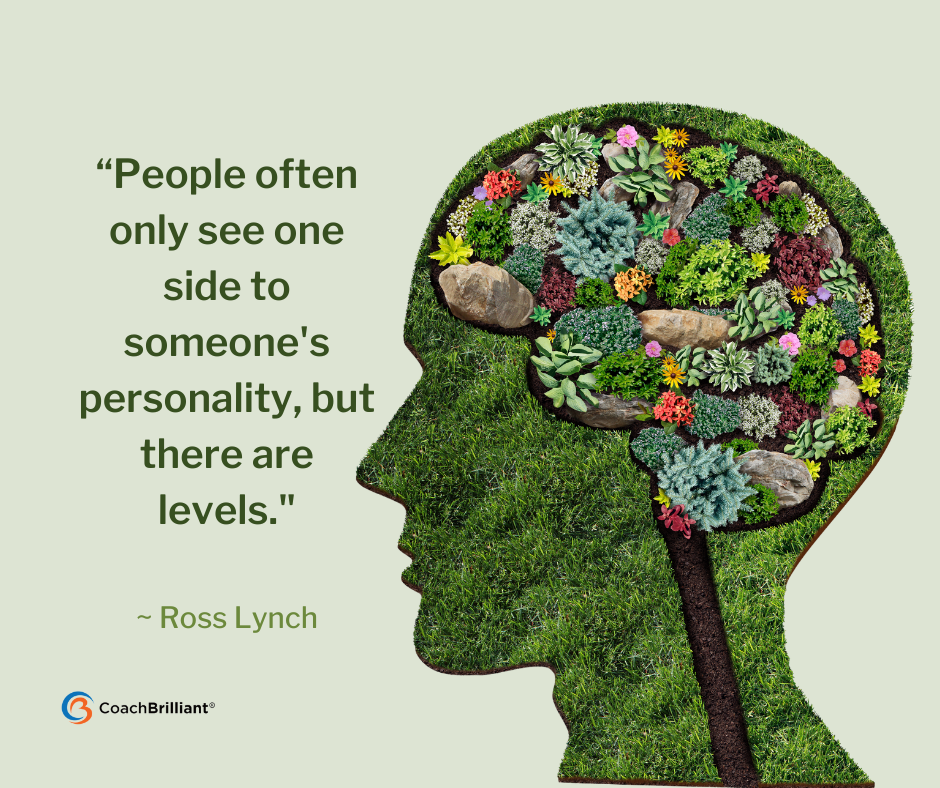
You only understand your clients from the level that you understand yourself. The more we are aware of our own true nature – the deeper we can guide and support others. You have to know yourself well first…
This is the difference between an average coach and a truly brilliant one.
Our own personality patterns can unconsciously undermine or create bias in our coaching work. We get triggered or become reactive in the moment.
The good news…
Deeply knowing your own personality type, becoming aware of, and attuned to your predictable patterns, will help you to stay present and effective in the moment.
As a seasoned coach, I’ve observed and experienced many of these predictable patterns and seen how coaches get in their own way when coaching (including my own!).
In this post, I’m going to share some examples of the predictable patterns I teach in my professional coaching certification program.
See if you can recognize yourself in any of these patterns…









When I teach these in my Enneagram and the Coach program, I ask my students to:
- Take a moment to think about how you show up and highlight the ones that know are true for you.
(If you don’t know, then start to notice when you are getting triggered and make a note of it after your coaching session). - How you can create a conscious pattern interrupt when you notice this happening with a client? Use this prompt:
“When I notice this pattern in myself I will…”
- Here are some extra ways to avoid getting triggered!
Share your thoughts and experiences in the comments with me – I’d love to read them.
Contact me if you need any help with your triggers or biases – Happy to help!
I read through all of these because I’m fascinated with Enneagram, and love what it teaches me. As a nine, I notice I have a tendancy to be too easygoing with goals and my clients progress towards them. Thanks for that !!!
Here’s a question – What did you mean by the following in describing Enneatype 5 – seems like something’s missing –
“Keeping your thoughts and feelings to yourself and sharing anything in the coaching relationship.”
Thank you, Joan
Hi Joan — thank you so much for reading and for taking the time to comment! I love that you’re diving into the Enneagram and noticing those subtle Type 9 patterns — that gentle “going along” energy can be such a gift in coaching, and it’s wonderful that you’re aware of how it can also soften goal-setting or accountability. Beautiful insight.
And thank you for catching that missing word in the Type 5 description, you’re absolutely right, it should have read “keeping your thoughts and feelings to yourself and not sharing them in the coaching relationship.”
What I meant is that Type 5 coaches often stay in their heads; they process quietly, observe deeply, and sometimes hold back from sharing their inner reactions or intuitions in the moment. The growth edge is learning to bring more of that inner world into the conversation: sharing what they’re noticing or feeling (with good boundaries, of course) to create more connection and aliveness in the coaching relationship.
I really appreciate your thoughtful question and your curiosity — it’s what makes these kinds of conversations so rich. 💛
Oops… Type 5 should read:
“Keeping your thoughts and feelings to yourself and not sharing them in the coaching relationship.”